If you or your child lives with ADHD, you already know the struggle of sitting still, staying focused, or managing restless energy. That's exactly where ADHD fidget toys come in. These small, tactile tools give hands something purposeful to do — so the brain can focus on what actually matters.
In this guide, we'll break down everything you need to know about choosing the best fidget toys for ADHD, how they work, and which types are right for different settings like school, work, and home.
What Are ADHD Fidget Toys and Why Do They Work?
Fidget toys for ADHD are small, handheld objects designed to provide sensory input through touch, movement, or pressure. They work by occupying the part of the brain that craves stimulation, freeing up the rest to concentrate on tasks like listening, reading, or working.
Research supports this idea. A 2015 study published in the Journal of Abnormal Child Psychology found that children with ADHD who engaged in physical movement during cognitive tasks actually performed better than when sitting still. Fidget toys channel that need for movement into something quiet and controlled.
The key benefits include:
-
Improved focus during class, meetings, or homework
-
Reduced anxiety and nervous energy
-
Better emotional regulation in stressful situations
-
Quiet sensory input that doesn't disturb others
Best Types of Fidget Toys for ADHD
Not all fidgets are created equal. The best ADHD fidget toys are quiet, durable, and provide just enough stimulation without becoming a distraction. Here are the top categories:
Tactile Fidget Rings and Bracelets
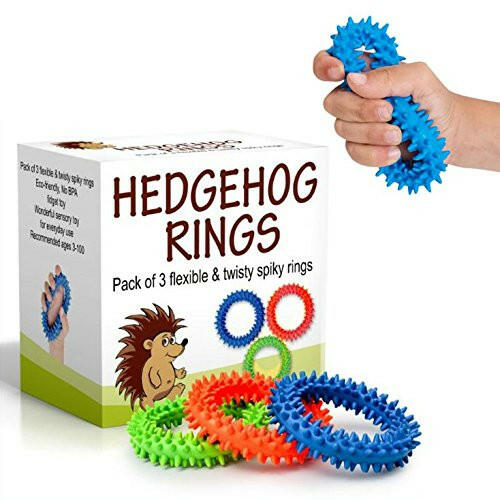
Wearable fidgets are some of the most practical options because they're always within reach. Sensory ring fidget sets with soft rubber spikes provide constant tactile feedback when rolled between fingers. Metal finger rings are another excellent choice — they spin quietly and look like regular jewelry, making them ideal for older kids and adults in professional settings.
For something more textured, squishy fidget bracelets offer a squeezable, wearable option that kids love.
Squeezable Stress Balls
Spiky sensory stress balls are a go-to for ADHD because they combine deep pressure input with tactile stimulation. The spiky texture activates nerve endings in the palm, which has a calming effect on the nervous system. They're quiet enough for classrooms and satisfying enough to keep restless hands busy for hours.
Roller and Massage Fidgets
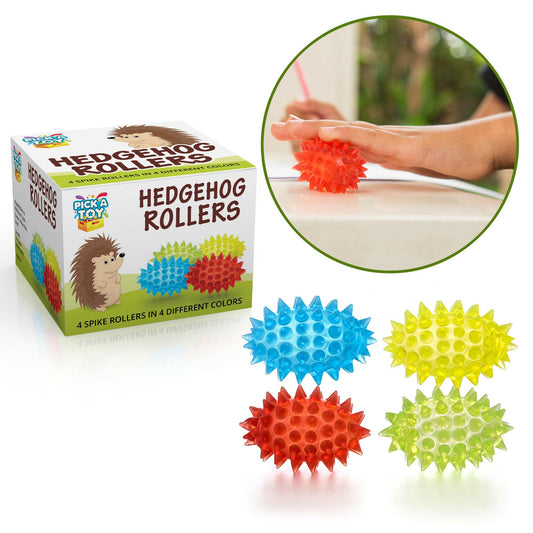
Spiky roller fidget toys are egg-shaped rollers covered in soft spikes that can be rolled across palms, arms, or desks. The rolling motion is rhythmic and soothing — perfect for kids who need constant hand movement to stay engaged. They're also silent, which teachers appreciate.
Resistance Bands for Chairs
For kids who can't stop bouncing their legs, stretchy resistance fidget bands attach to chair legs and let kids push and pull with their feet. This gives the lower body something to do without leaving the seat — a game-changer for ADHD kids in the classroom.
Quiet Metal Fidgets
Metal acupressure fidget rings are designed specifically for quiet environments. They provide subtle sensory feedback through textured surfaces and gentle pressure points, making them perfect for tests, meetings, and focused work sessions.
How to Choose the Right ADHD Fidget Toy
Picking the right fidget depends on three things:
-
Setting — Classroom or office? Choose something silent like roller fidgets or rings. Home use? Anything goes.
-
Sensory preference — Some people prefer squeezing (stress balls), some prefer spinning (rings), and some prefer stretching (bands). Try a few types to find what clicks.
-
Age — Younger kids (3-7) do well with colorful, squeezable options. Older kids and adults prefer discreet wearables that don't draw attention.
A good approach is to have a fidget rotation — keep 2-3 different types available and switch between them. Novelty keeps the brain engaged, and different situations call for different tools.
Tips for Using Fidget Toys Effectively
Fidget toys work best when used intentionally:
-
Set boundaries — Fidgets are tools, not toys during class. Establish clear rules about when and how to use them.
-
Keep it in one hand — The fidget should occupy one hand while the other takes notes or works.
-
Choose silent options for shared spaces — Clicking, popping, or clattering fidgets distract everyone around you.
-
Pair with other strategies — Fidgets complement techniques like timers, movement breaks, and structured routines.
ADHD Fidget Toys for Adults at Work
Fidget toys aren't just for kids. Adults with ADHD benefit enormously from having a tactile tool during long meetings, phone calls, or deep work sessions. The key is subtlety — metal fidget rings, smooth stress balls, and textured bracelets all work without drawing attention from colleagues.
Keep one on your desk, one in your bag, and one in your pocket. When you feel focus slipping or anxiety rising, a few seconds of fidgeting can reset your attention.
Frequently Asked Questions
Do fidget toys actually help with ADHD?
Yes, research shows that controlled sensory input helps people with ADHD maintain focus and reduce restlessness. Fidget toys provide that input in a quiet, non-disruptive way, making them effective tools for both children and adults.
What is the best fidget toy for ADHD in the classroom?
Silent options work best in classrooms. Spiky roller fidgets, sensory rings, and resistance bands for chairs all provide stimulation without creating noise or visual distraction for other students.
Are fidget toys good for ADHD adults at work?
Absolutely. Discreet fidgets like metal finger rings, textured bracelets, and small stress balls help adults stay focused during meetings and desk work. They look professional and won't draw unwanted attention.
At what age can kids start using fidget toys for ADHD?
Children as young as 3 can benefit from age-appropriate fidget toys like soft spiky balls and sensory rings. Always choose BPA-free, non-toxic options and make sure the toy is large enough to prevent choking hazards.
How many fidget toys should my child have?
Having 2-3 different types in rotation works best. Different settings require different tools, and switching between fidgets keeps the sensory experience fresh and effective.